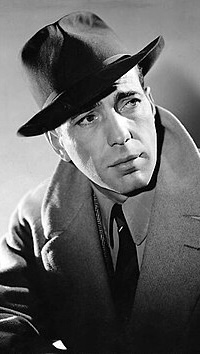
Humphrey Bogart remains one of the most iconic figures from Hollywood’s Golden Age, known for his distinctive voice, sharp presence, and tough-guy screen persona. Born in 1899 in New York City, he did not start his career as a film star. Instead, he worked on stage in Broadway productions before slowly transitioning into movies during the late 1920s and early 1930s, a period when Hollywood was still evolving into its classic studio system.See More…
At first, Bogart was often cast in minor or supporting roles, frequently playing criminals or secondary characters. His early film career did not immediately signal the superstardom he would later achieve. However, his persistence and unique screen presence began to set him apart. He brought a natural intensity and realism to his performances that made even small roles memorable.
His breakthrough came in the early 1940s, especially with films like High Sierra (1941) and The Maltese Falcon (1941). In these roles, he began shaping the archetype of the cynical yet morally complex anti-hero. This image became central to his identity as a film legend and helped define the noir genre that would dominate the decade.
Bogart reached legendary status with Casablanca (1942), where he played Rick Blaine, one of the most famous characters in cinema history. The film combined romance, war drama, and political tension, and Bogart’s performance became timeless. His line delivery, emotional restraint, and quiet vulnerability turned him into a global symbol of classic Hollywood storytelling.
During the rest of the 1940s and early 1950s, Bogart continued delivering powerful performances in films such as The Big Sleep and The African Queen, for which he won an Academy Award for Best Actor. Despite his “tough guy” image, many of his roles revealed depth, sensitivity, and moral conflict, making him one of the most respected actors of his generation.
Bogart passed away in 1957, but his legacy has only grown stronger over time. He is remembered not just as a movie star, but as a defining figure of American cinema—someone who helped shape how modern audiences understand film noir, masculinity, and classic storytelling
Leave a Reply