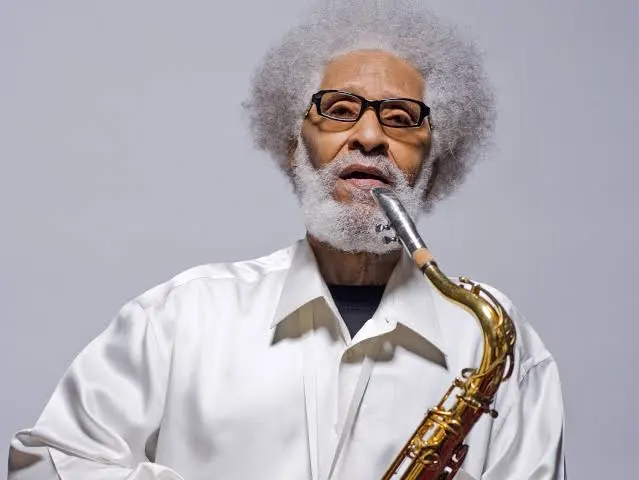
Sonny Rollins has passed away, marking the end of an era for jazz music. Widely regarded as one of the greatest tenor saxophonists in history, his influence shaped generations of musicians across jazz, blues, and modern improvisational music. His death has left the music world in mourning, reflecting on a career that stretched across decades of innovation and brilliance.See More…
Born in New York City, Rollins showed an early fascination with music, picking up the saxophone at a young age. Growing up in Harlem, he was surrounded by the evolving sounds of jazz, which became the foundation of his artistic identity. His early exposure to legends of bebop helped him develop a unique voice that would later define his career.
By the 1950s, Rollins had already established himself as a rising star in the jazz world. He played alongside some of the biggest names in music, including Miles Davis and Thelonious Monk, contributing to recordings that are now considered classics. His improvisational skill quickly set him apart as a musician who could transform any performance into something unforgettable.
One of his most famous periods came when he famously took a break from performing and practiced on the Williamsburg Bridge in New York City. This self-imposed isolation became legendary, symbolizing his dedication to perfecting his craft. When he returned, his music carried even more depth, creativity, and emotional power.
Rollins became known for pushing the boundaries of jazz, constantly reinventing his sound. Albums like “Saxophone Colossus” cemented his status as a giant in the genre. His performances were not just technical displays, but emotional journeys that connected deeply with audiences.
Throughout his long career, he received numerous awards and honors, including Grammy Awards and lifetime achievement recognitions. Yet despite global fame, he remained deeply committed to artistic exploration rather than commercial success. His philosophy was rooted in constant growth and musical honesty.
Fans and fellow musicians often described him as a “musician’s musician,” someone who inspired both admiration and respect. His live performances were especially powerful, often featuring long improvisations that felt completely spontaneous yet perfectly structured.
Even in his later years, Rollins continued to perform and influence younger artists. He became a living bridge between the golden era of jazz and modern experimental sounds. His presence on stage was enough to remind audiences of jazz’s emotional depth and cultural importance.
His passing marks not just the loss of a performer, but the loss of a musical architect who helped define an entire genre. The saxophone world, in particular, feels an irreplaceable absence, as his tone and style were instantly recognizable and impossible to replicate.
Sonny Rollins leaves behind a legacy that will live forever through recordings, memories, and the countless musicians he inspired. His music continues to speak where words cannot, ensuring that even after his death, his voice will never truly be silent.
Leave a Reply