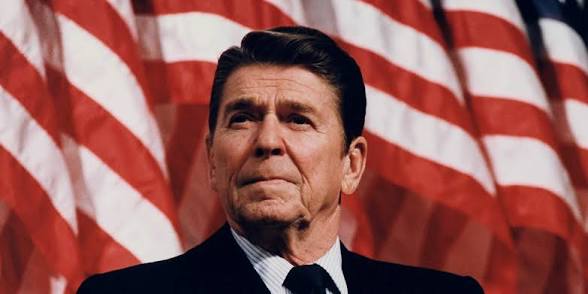
June 5 marks the anniversary of the passing of Ronald Reagan, the 40th President of the United States, whose influence on American politics and global affairs continues to be felt decades later. Reagan passed away on June 5, 2004, at the age of 93 after a long battle with Alzheimer’s disease, leaving behind one of the most discussed and influential legacies in modern history.See More…
Before entering politics, Reagan built a successful career as a Hollywood actor, becoming a familiar face to millions of Americans. His ability to communicate with people and connect with audiences would later become one of his greatest strengths as a political leader, earning him the nickname “The Great Communicator.”
Serving as President from 1981 to 1989, Reagan led the nation through a transformative period marked by major economic reforms, a renewed emphasis on national strength, and significant developments during the final years of the Cold War. His policies and leadership style sparked both admiration and debate, ensuring that his impact would remain a subject of discussion for generations.
Reagan’s presidency was defined by optimism, confidence, and a vision of America’s future that resonated with many citizens. Supporters praised his efforts to revive the economy and restore national pride, while historians continue to analyze the long-term effects of his decisions on domestic and international affairs.
In his later years, Reagan publicly revealed his diagnosis of Alzheimer’s disease, helping bring greater awareness to a condition that affects millions of families worldwide. His courage in facing the illness added another chapter to a life spent in the public eye.
Today, on the anniversary of his passing, many remember Ronald Reagan not only as a former president but also as a figure who left a profound mark on American history. More than two decades after his death, his legacy continues to inspire conversations about leadership, politics, and the direction of a nation.
Leave a Reply